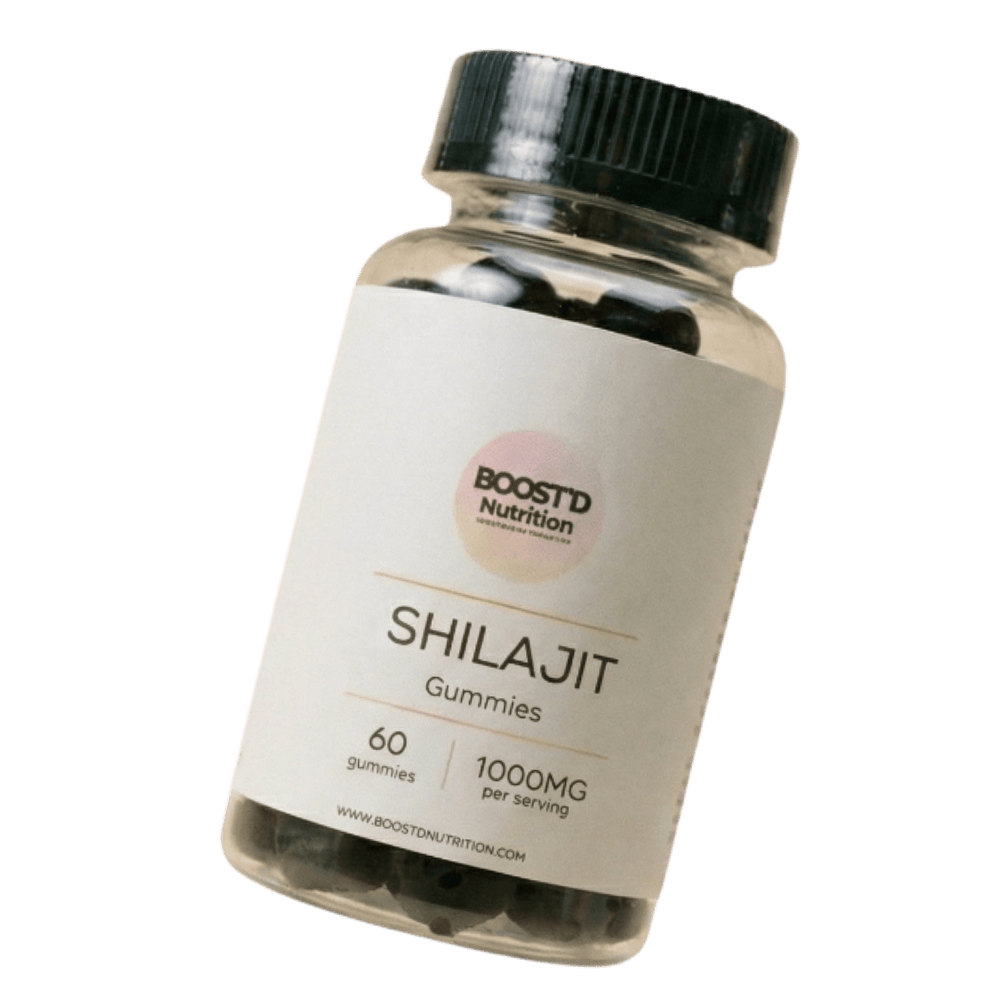

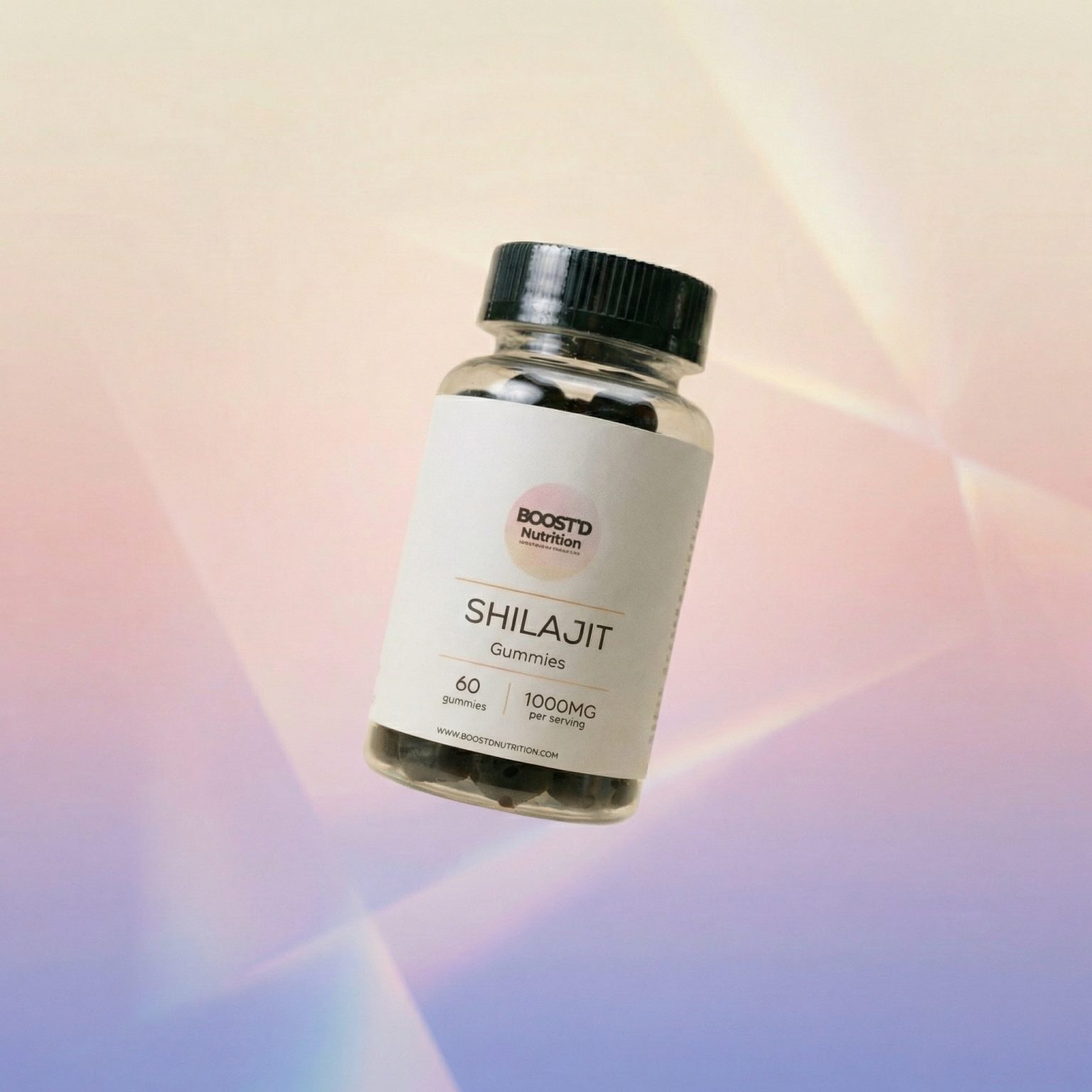
Start with the serving size, then check whether the amount of shilajit is listed per gummy or per serving. If the serving is two gummies and the label states 200 mg per serving, each gummy contains 100 mg on that basis. Divide the number of gummies in the pack by the number per serving to work out how many servings it contains.
Suppose a hypothetical bottle contains 60 gummies. The label lists two gummies per serving and 200 mg of shilajit per serving. That gives you 30 servings, with 100 mg per gummy. If the directions specify one serving a day, the example bottle lasts 30 days. These figures illustrate the calculation.
Put both products on the same basis first. Compare milligrams per labelled serving with milligrams per labelled serving, and check that both figures describe the same thing. If you are comparing price, divide each bottle’s price by the number of servings it contains. A larger bottle count can still have fewer servings when the label calls for more gummies per serving.
The UK government’s food supplement guidance advises following the label directions and warnings. Use the serving calculation to understand the pack and compare value. Follow the directions on your own bottle.
See the Boostd Nutrition Shilajit Gummies product page for current pack information, or read our UK shilajit gummies buying guide for the wider questions to ask before you buy.